
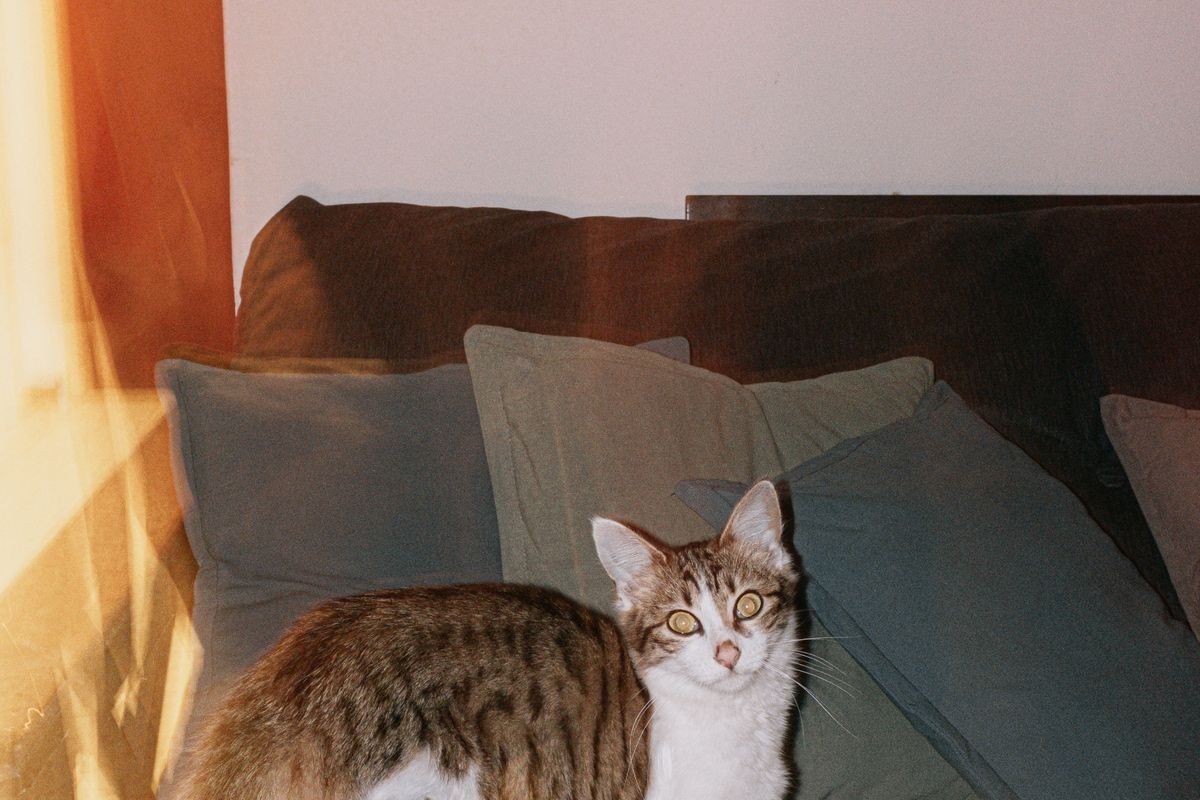
Kitten Care Guide UK: First-Time Owners’ Complete Guide (2026)
A Kitten Is a 15–20 Year Commitment — Start It Right
A kitten is small, soft and impossible to resist — and a 15–20 year commitment, according to Cats Protection. The first few weeks shape the adult cat you will live with. This guide covers choosing a kitten, the first week, feeding, litter training, play, the vet timeline, the law, and the costs. If you have not chosen a name yet, our list of best cat names for 2026 is a good place to start.
Before You Bring a Kitten Home
Be honest about whether a kitten fits your life: they need time, patience and attention every day. Check for allergies in the home, and whether your landlord allows pets if you rent.
Rescue kittens (e.g. Cats Protection) usually arrive health checked, vaccinated, microchipped and neutered, for a £50–£150 fee. If you buy from a breeder, see the kitten with its mother first — never buy a kitten online without seeing it. Under Lucy’s Law, in force since 2020, kittens in England cannot be sold through pet shops.
One rule matters above all: a kitten should stay with its mother until at least 8 weeks old (13 weeks for pedigree kittens, per the GCCF). A seller offering a kitten younger than 8 weeks is a red flag — walk away.
What Your Kitten Needs: The Shopping Checklist
Have everything ready before collection day. A kitten arriving in a home with no litter tray, no food and nowhere to hide will be stressed from the first minute.
| Item | What to look for | Typical UK cost |
|---|---|---|
| Cat carrier | Hard-shelled, top opening | £15–£30 |
| Complete kitten food | Labelled “complete” | £10–£20 to start |
| Food and water bowls | Shallow; keep water away from food | £5–£15 |
| Litter tray and litter | One tray per cat plus one spare | £10–£20 |
| Bed and blankets | Warm, enclosed bed in a quiet spot | £10–£25 |
| Scratching post and toys | Tall post; wand toy, toy mice | £15–£40 |
Keep the same food and litter the breeder or rescue used at first — a sudden change often upsets a kitten’s stomach.
The First Week: Safe Room and Kitten-Proofing
Do not give a new kitten the run of the whole house on day one. Start with one quiet room holding the bed, food, water, litter tray and a hiding place — a cardboard box with a hole cut in the side works perfectly.
Let your kitten explore at their own pace and come to you. Pick them up gently and briefly, a few times a day. Teach children to be calm — no chasing, grabbing, or waking a sleeping kitten.
The first 48 hours are usually the hardest: your kitten may hide, eat little and cry at night. That is normal. Keep the routine steady and do not force interaction. Most kittens settle within a few days, and after a week you can open up one more room at a time.
Before your kitten explores further, kitten-proof the house: remove lilies (toxic to cats), tuck away chargers and cords, keep small objects off the floor, lock away medicines and antifreeze, and check inside the washer and dryer before switching on.
Feeding Your Kitten: Little and Often
Kittens grow fast, so they need food designed for growth — not adult cat food. Choose a product labelled “complete kitten food”, which has everything a growing kitten needs.
Cats Protection advises feeding kittens at least four times a day, with fresh water always available. Keep the water bowl away from the food bowl. Never give a kitten cow’s milk — kittens find it difficult to digest and it commonly causes diarrhoea.
Reduce meals gradually: four a day up to 12 weeks, three until 6 months, then two a day. Follow the feeding guide on the packaging and weigh your kitten regularly.
Litter Training: Easier Than You Think
Most kittens arrive already litter trained, because their mother taught them. Put the tray in a quiet, accessible spot — not next to the food bowls. Show your kitten the tray on arrival, and place them in it gently after meals, naps and play.
Use the n+1 rule: one tray per cat, plus one extra — so one kitten needs two trays. Scoop daily and change the litter weekly; a dirty tray is the most common reason a kitten starts going elsewhere.
If your kitten has an accident, clean it with an enzymatic cleaner and never punish them. If accidents keep happening, or your kitten strains, cries or passes blood, see your vet promptly.
Play, Socialisation and Handling
Play is how a kitten learns to hunt, balance and build confidence. The key socialisation period is between 2 and 7–8 weeks of age: gentle exposure to everyday sights, sounds, people and handling teaches your kitten what is safe and normal. A kitten that misses this window can grow into a nervous adult.
Keep it up after they come home: new people, sounds and handling, little by little, at your kitten’s pace. Play with wand toys rather than your hands — a kitten that learns hands are toys becomes an adult cat that bites hands. If your kitten bites during play, stop the game and walk away for a minute.
Start grooming in the first week too: two or three gentle minutes — brush the coat, lift each paw, touch the ears, treat afterwards. Our guide to indoor cat enrichment has 21 ideas for keeping a kitten busy, and our Pets at Home grooming guide covers the same calm-handling approach for bath and brush time.
The Vet Timeline: Every Date That Matters in Year One
Register with a local vet as soon as possible and book a health check within a few days of bringing your kitten home, taking all breeder or rescue paperwork. Your vet will confirm your kitten’s own schedule, but the typical UK timeline looks like this:
| Milestone | Typical UK timing |
|---|---|
| First vet check | Within a few days of coming home |
| First vaccination | 8–9 weeks old |
| Second vaccination | Around 12 weeks |
| Worming | Every 2 weeks to 16 weeks, then monthly |
| Microchipping | Before 20 weeks old in England |
| Neutering | Around 4 months old |
| First time outside | At least 5 months old |
| Annual booster | 12 months after the first course |
Indoor cats still need cat flu and parvovirus vaccines, because these viruses spread easily on clothing, shoes and surfaces. Since 10 June 2024, every owned cat over 20 weeks old in England must be microchipped and registered — including indoor cats — with a fine of up to £500 for breach. Neutering at around 4 months prevents unwanted litters and reduces fighting and roaming; female kittens can become pregnant from around 4 months, so do not leave it late.
Kittens are fragile and go downhill fast. Call your vet the same day if your kitten stops eating or drinking for over 12 hours, vomits or has diarrhoea more than once, becomes lethargic, strains in the litter tray, or has blood in urine or stools — or after any fall from a height, even if they seem fine.
What a Kitten Costs in the First Year
The first year has the most one-off costs: PDSA’s 2024 figures put set-up at about £366, the minimum monthly cost at about £79, and the minimum lifetime cost at £11,400–£13,600, excluding the purchase price and vet fees for illness.
| Cost | Typical UK range |
|---|---|
| Adoption fee (rescue) | £50–£150 |
| Breeder kitten | £400–£1,500+ |
| First vaccination course | £50–£80 |
| Microchipping | £15–£30 |
| Neutering | £50–£150 |
| Set-up kit | £80–£150 |
| Food, litter and parasite treatment | £40–£75 per month |
| Pet insurance | £5–£30 per month |
As a rough guide, budget around £500–£1,000 for the first year on top of the price of the kitten, then around £800–£1,500 a year after that. PDSA, Blue Cross and Cats Protection offer low-cost neutering and vaccinations for owners on low incomes.
Frequently Asked Questions
How old should a kitten be before I bring it home?
At least 8 weeks old — 13 weeks for pedigree kittens, according to the GCCF. A kitten taken too young often has behaviour and health problems later.
How many times a day should I feed a kitten?
At least four times a day up to 12 weeks, then three meals until 6 months, then two a day. Use complete kitten food and fresh water, with the water bowl away from the food bowl.
Is microchipping compulsory for kittens in the UK?
In England, yes — every owned cat over 20 weeks old must be microchipped and registered since 10 June 2024, with fines up to £500. Elsewhere in the UK it is not yet law, but it is strongly recommended.
Final Thoughts
The first year passes quickly. The work you put in now — the safe room, the small meals, the vet visits, the gentle handling — turns a nervous kitten into a relaxed, friendly adult. Book the vet visit before collection day and give your kitten time to settle.
Our Pet Path ultimate guide covers food, health, grooming and daily care for any pet in one place.
Related reading
Best Cat Names Ideas 2026: Top Trends and Unique Picks
Indoor Cat Enrichment Ideas UK: 21 Ways to Keep Your Indoor Cat Happy
Pet Path: The Ultimate Guide to Pet Care, Health and Happiness